On receiving the news of Mr Headstone's disappearance, Mr Sampson Brass was overcome with the emotion that naturally besets a professional gentleman at the loss of a client - a feeling that threatened to overwhelm him when he was reminded by his sister that the pedagogue's bill for certain legal services was still outstanding. Miss Sally Brass, who was a lady of thirty-five or thereabouts, of a gaunt and bony figure, with a resolute bearing, assisted her brother in his business, having from her earliest youth devoted herself with uncommon ardour to the study of law, tracing it attentively through all the slippery and eel-like crawlings in which it commonly pursues its way. One of Miss Brass's common strategies for rendering assistance - and, indeed it is quite a common one - was to point out the shortcomings of others whenever an endeavor failed, and furthermore to imply that had the responsibility for its success rested with her, the desired outcome would have been assured. Accordingly, Miss Sally Brass expressed herself of the opinion that a person in need of the protection of the law may be allowed to proffer gratitude to their legal representative a posteriori, but it is a dangerous precedent to allow the payment of the fee to occupy that same position.
Mrs Raddle, who at first imperfectly understood the ensuing conversation between the siblings, at length became apprised of the fact that Mr Brass was out of pocket as a result of Mr Headstone's sudden and unwarranted departure, and was bold enough to suggest to that gentlemen that recompense might be found in an inventory of the pedagogue's belongings, which were currently secured in his rooms to which she possessed the one remaining key.
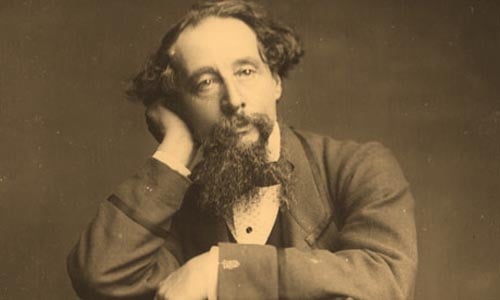
Mr Charles Dickens