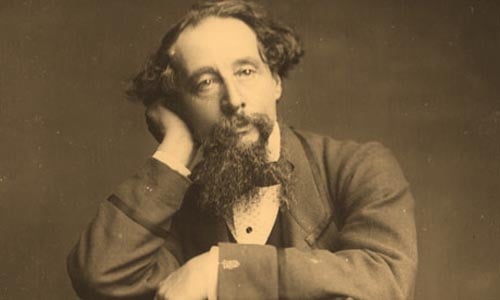
It being the express wish of all members of the Charles
Dickens Anniversary Society (CDAS) that a celebration dinner be held on the
seventh of February at The George and
Vulture, it fell upon Mr Headstone, as General Chairman of said society, to
compose a letter of invitation to the author. And so the pedagogue sat at his
writing desk, seeking inspiration by chewing on the end of his pen and staring
into the yellow eyes of the stuffed owl that he was wont to set before him as a
promoter of sagacity whenever he embarked on a literary venture. Desirous of
composing a missive worthy of its recipient, Mr Headstone expended voluminous
quantities of ink and paper on his endeavour, and consumed half a dozen hot
buttered crumpets by way of sustenance.
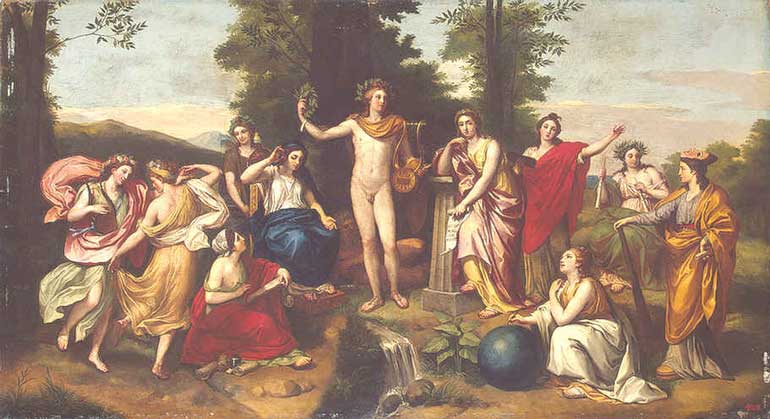
After some several hours of toil upon the lower slopes of Parnassus, the pedagogue had completed the task to his
satisfaction, and asked Mr Snodgrass, who had conveniently chosen to call at
that very moment, to give his opinion of it. That gentleman was still
recovering from the shock he had received when Mr Headstone, on opening the
door in response to his double knock, had presented a visage which appeared to
exhibit the advanced stages of a mortifying disease. Having been assured by the
pedagogue that the blueness of his lips was the result of nothing more serious
than a leaky pen, Mr Snodgrass had taken a chair by the fire and fortified
himself with a glass of Old Tom, and it was from this position that he now
perused Mr Headstone’s letter. His opinion was that as an example of its kind
it could – with the possible exception of spelling and punctuation – hardly be improved upon; that the style was
neither too florid – a common fault of novice authors – nor too pedestrian;
that it observed the strictures of the form by stating the time and the place
of the engagement without any unnecessary encumbrance; that its brevity would
surely be appreciated by a man of affairs; and that, in short, it should be put
before the members of the society for their delectation and approval at the
earliest possible opportunity.