It will be a matter of some surprise for the reader to learn
that during Mr Headstone’s prolonged absence his landlady had failed to find another
tenant for the rooms that he had vacated. Although a number of single gentlemen
had walked up in response to the advertisement placed in the scullery window,
none of them had been able to reconcile the peculiarities of that attic
apartment with their notions of domestic comfort. First, there were the stairs
to contend with, which creaked underfoot like the deck of a three-masted
schooner, and wound in ever-tightening circles to just below the roof, where
inconvenient buttresses of brick and plaster and low-hanging beams of hard wood
awaited the unsuspecting crown of any visitor. The interior of the rooms was in
much the same condition as Mr Headstone had left it on his departure; that is
to say, in a state of confusion and disarray. The carpet waited patiently to
snare the tread of any unwary traveller across the floor; the footstool lounged
insouciantly on its three uneven legs, eager for an opportunity to upset the
weary guest in search of repose; the fireplace frowned darkly, and, when the
wind got up outside, sneezed smudges of greasy soot into the air; the sofa
sagged dropsically as if inclined to extended bouts of melancholy, and
exhibited the symptoms of advanced old age in its effusive sprouting of
horsehair through the tears and rents in its wrinkled hide. Cobwebs, with husks
of bluebottles in their nets, hung in the high corners where the landlord
spiders awaited more tenants. The walls were cold and clammy, like gravestones
to the touch. But to Mr Headstone, it was still home, and when he threw open
the door and surveyed everything before him, tears rolled down his cheeks –
which may have been engendered by the emotion of his return, or – as is more
likely – by the operation of the strong odours of dead fish and old beer on his
eyes.
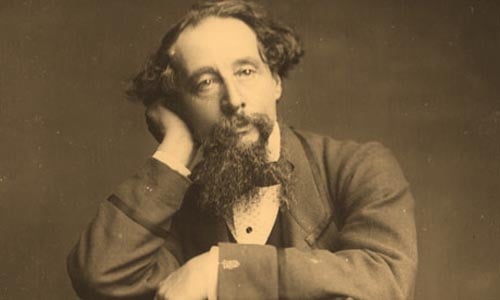
Mr Charles Dickens